
Fostering Young Artists: Encouraging Creativity and Growth
Art is a magical world where young minds can explore, express, and evolve. Watching a child’s imagination take shape on paper or canvas is truly inspiring. But nurturing this creativity requires more than just providing materials. It calls for patience, encouragement, and practical guidance. I want to share some heartfelt tips on fostering young artists, helping them blossom into confident creators who cherish their unique voices.
Fostering Young Artists: Creating a Supportive Environment
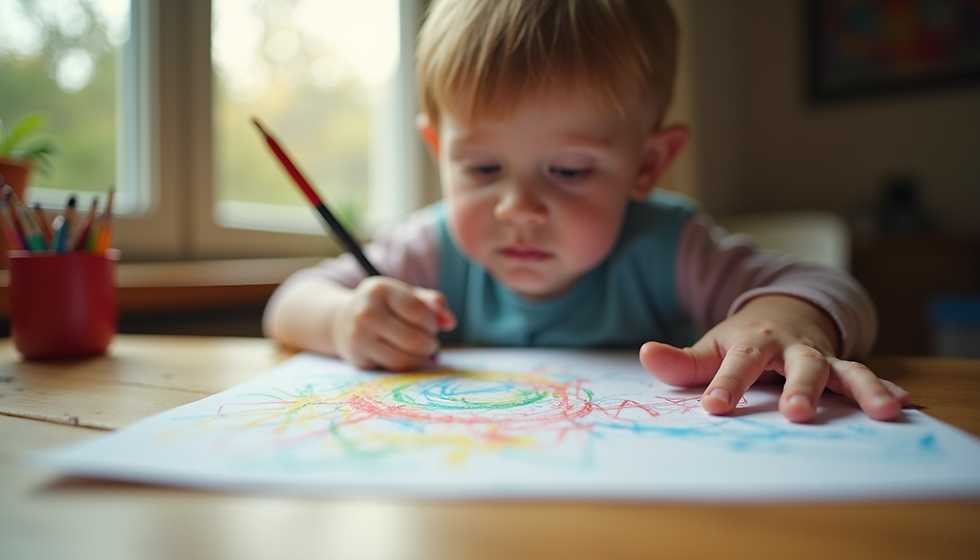
The first step in nurturing creativity is to create a space where young artists feel safe and inspired. This environment should be welcoming, filled with colours, textures, and tools that invite exploration. Here are some ways to build that supportive atmosphere:
Designate a creative corner: A small table or desk with art supplies within easy reach encourages spontaneous creativity. Keep it tidy but stocked with pencils, paints, brushes, and paper.
Celebrate all efforts: Display their artwork proudly on walls or the fridge. This shows that their creations matter and boosts their confidence.
Encourage experimentation: Let them try different mediums and styles without fear of mistakes. Art is about discovery, not perfection.
Limit screen time: Encourage hands-on activities that engage their senses and imagination.
Join in the fun: Sometimes, creating alongside them can be the best motivation. It shows that art is a joyful, shared experience.
By fostering a nurturing environment, we plant the seeds for a lifelong love of art.

Practical Tips to Inspire and Motivate
Encouragement is the fuel that keeps young artists going. Here are some practical tips that I have found effective in inspiring creativity and motivation:
Ask open-ended questions: Instead of “What is it?”, try “Tell me about your drawing.” This invites storytelling and deeper connection with their work.
Set small, achievable goals: For example, completing a sketch or trying a new technique. Celebrate these milestones enthusiastically.
Introduce nature as a muse: Encourage them to observe plants, animals, and landscapes. Nature offers endless inspiration and aligns with the values of environmental conservation.
Use positive language: Replace “That’s not right” with “I love how you used those colours.” Positive feedback nurtures confidence.
Provide opportunities for sharing: Organise mini art shows at home or participate in contests like the Veena Vatika International Drawing Contest. Sharing art builds pride and community.
Read books about artists and creativity: Stories about famous artists or creative adventures can spark imagination and ambition.
These simple yet powerful actions can transform a child’s artistic journey into a joyful adventure.
What is the 80 20 Rule for Artists?
The 80 20 rule, also known as the Pareto Principle, suggests that 80% of results come from 20% of efforts. For artists, this means focusing on the most impactful activities that enhance their skills and creativity.
For young artists, this could translate to:
Spending 80% of their time creating and experimenting with art.
Using 20% of their time learning techniques, studying other artists, or reflecting on their work.
This balance encourages hands-on practice while still allowing room for growth and inspiration. It helps avoid overwhelm and keeps the creative process enjoyable.
Parents and mentors can guide young artists to prioritise their time effectively, ensuring they spend more moments immersed in joyful creation rather than feeling pressured to perfect every detail.
Encouraging Young Artists Through Community and Connection
Art thrives in connection. When young artists feel part of a community, their motivation and creativity soar. Here are some ways to build that sense of belonging:
Join art clubs or workshops: These provide opportunities to meet peers, share ideas, and learn new skills.
Participate in contests and exhibitions: Events like the Veena Vatika International Drawing Contest inspire young artists to engage with nature and express their environmental awareness creatively.
Create family art days: Dedicate time for everyone to create together, fostering support and shared joy.
Use social media mindfully: Share their artwork with close friends and family to celebrate progress and receive encouragement.
Connect with local artists: Sometimes, a mentor or role model can ignite passion and provide valuable guidance.
Building these connections helps young artists feel valued and motivated to continue their creative journey.

Tools and Resources to Support Artistic Growth
Having the right tools and resources can make a big difference in a young artist’s experience. Here are some essentials and helpful resources:
Basic art supplies: Quality paper, pencils, watercolours, crayons, and brushes.
Art books and tutorials: Age-appropriate books that teach techniques or inspire creativity.
Online platforms: Safe websites offering drawing lessons or creative challenges.
Nature journals: Encourage kids to sketch and write about their outdoor observations.
Art apps: Simple digital tools for experimenting with colours and shapes.
Remember, the goal is to provide variety without overwhelming. Rotate supplies and introduce new materials gradually to keep things fresh and exciting.
Embracing the Journey of Growth and Expression
Every young artist’s path is unique. Some may draw every day, while others create in bursts of inspiration. The key is to honour their pace and style. Encourage them to express their feelings, ideas, and dreams through art. Celebrate progress, not just the final product.
If you ever wonder how to encourage young artists, remember it’s about more than just art skills. It’s about nurturing curiosity, resilience, and joy. By supporting their creative spirit, we help them build confidence and a lifelong connection to the world around them.
Let’s continue to inspire young artists to see nature as their muse and art as their voice. Together, we can cultivate a vibrant community where creativity and environmental awareness grow hand in hand.

Comments