
How to Improve Drawing Skills for Children at Home
Drawing is a wonderful way for children to express themselves. It helps them explore their imagination, develop fine motor skills, and build confidence. If you want to help a young artist grow their drawing skills at home, there are many simple and fun ways to do it. I will share practical tips and ideas that make drawing enjoyable and effective for kids aged 5 to 15.
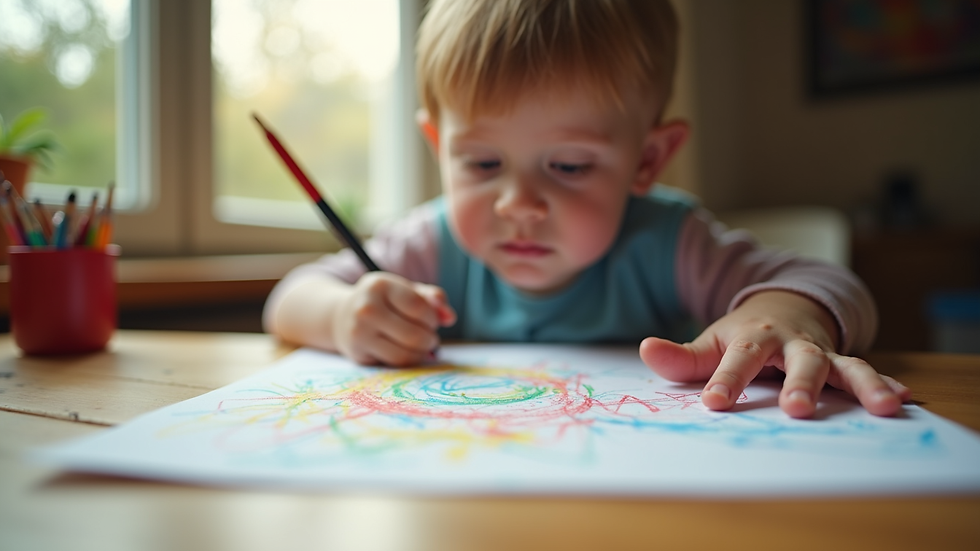
Create a Comfortable Drawing Space
The first step to improving drawing skills is to set up a special place for drawing. This space should be inviting and free from distractions. A small table with good lighting works well. Make sure the child has easy access to drawing materials like pencils, erasers, and paper.
Having a dedicated spot encourages regular practice. When children know where to find their art supplies, they are more likely to draw often. You can add a few inspiring posters or nature pictures to spark creativity.
Use Quality Drawing Materials
Good materials can make a big difference in how children enjoy drawing. For example, a set of colored pencils with smooth texture and bright colors can motivate kids to try new techniques. One product I recommend is the Faber-Castell Grip Colored Pencils. These pencils have a comfortable grip and rich pigments that make coloring fun and easy for young hands.
You can check them out here: Faber-Castell Grip Colored Pencils.
Using quality materials helps children see better results, which boosts their confidence. It also teaches them to care for their tools and take pride in their work.
Encourage Daily Drawing Practice
Practice is key to improving any skill, including drawing. Encourage children to draw a little every day, even if it’s just for 10 to 15 minutes. This habit builds muscle memory and sharpens observation skills.
You can make daily drawing fun by giving simple prompts like:
Draw your favourite animal
Sketch a tree outside your window
Create a picture of your dream house
These prompts help children focus and think creatively. Over time, they will notice their drawings becoming more detailed and confident.
Teach Basic Drawing Techniques
Introducing basic drawing techniques helps children understand how to create shapes and forms. Start with simple exercises like:
Drawing straight and curved lines
Making circles, squares, and triangles
Shading with light and dark pencil strokes
Once they master these, you can move on to combining shapes to draw objects like fruits, flowers, or animals. This step-by-step approach makes drawing less overwhelming and more enjoyable.
Use Drawing Books and Online Resources
Books and online tutorials can guide children through new skills and ideas. One helpful resource is the Art for Kids Hub YouTube channel, which offers easy-to-follow drawing lessons for kids.
Another great tool is the Crayola Creativity App, which provides interactive drawing activities and colouring pages. These resources keep learning fresh and exciting.
Join Drawing Contests and Challenges
Participating in drawing contests can inspire children to improve their skills and share their work. For example, the Veena Vatika International Drawing Contest invites young artists worldwide to create art inspired by nature. This contest encourages kids to connect with the environment and express their ideas through drawing.
Joining such contests gives children a goal to work towards and a chance to see their art appreciated by others. It also builds a sense of community among young artists.

Explore Nature for Inspiration
Nature is a rich source of inspiration for drawing. Encourage children to observe plants, animals, and landscapes around them. Taking a walk outside with a sketchbook can spark new ideas and improve observation skills.
You can help by asking questions like:
What shapes do you see in the leaves?
How does the light change the colours of the flowers?
Can you draw the pattern on a butterfly’s wings?
This connection with nature not only improves drawing but also builds awareness and care for the environment.
Provide Positive Feedback and Support
Children thrive when they feel supported. Praise their efforts and progress, not just the final drawing. Comments like “I love how you used colours here” or “You did a great job with the shapes” encourage them to keep trying.
Avoid criticism that focuses on mistakes. Instead, offer gentle suggestions like “Let’s try drawing this part a little bigger” or “Can you add some shadows to make it look real?”
Experiment with Different Drawing Tools
Trying new tools keeps drawing exciting. Besides pencils, children can use crayons, markers, charcoal, or watercolour pencils. Each tool offers a different experience and effect.
For example, the Staedtler Noris Club Wax Crayons are easy to hold and blend well, perfect for younger kids. You can find them here: Staedtler Noris Club Wax Crayons.
Switching tools helps children discover their preferences and develop versatile skills.
Set Realistic Goals and Celebrate Achievements
Setting small goals helps children stay motivated. For instance, mastering drawing a face or completing a nature sketch. Celebrate these milestones with a display of their artwork at home or sharing with family.
This recognition builds pride and encourages children to keep improving.

Final Thoughts
Improving drawing skills at home is a joyful journey. By creating a welcoming space, using good materials, encouraging daily practice, and connecting with nature, children can grow as artists. Joining contests like the Veena Vatika International Drawing Contest adds purpose and excitement to their art.
Remember, the key is to make drawing fun and supportive. Every line and colour is a step forward in their creative adventure. So, gather some pencils, open a sketchbook, and start drawing today!



Comments