
Essential Toolkit for Teachers: Running a Successful Drawing Contest in Class
Engaging students in creative activities like drawing contests can transform the classroom atmosphere. These contests encourage self-expression, boost confidence, and develop artistic skills. Yet, organizing a drawing contest may seem daunting without a clear plan or resources. This guide offers a practical toolkit for teachers to run a smooth, enjoyable drawing contest, complete with a printable checklist to keep everything on track.

Drawing supplies ready for a classroom contest
Preparing for the Drawing Contest
Define the Purpose and Theme
Start by deciding what you want to achieve with the contest. Is it to celebrate a holiday, explore a subject, or simply encourage creativity? Clear goals help set the tone and guide students.
Choose a theme that is broad enough to inspire but focused enough to give direction. Examples include:
Nature and environment
My favorite story
Dreams and imagination
Community and friendship
Set Clear Rules and Guidelines
Establish simple, fair rules to ensure the contest runs smoothly. Consider:
Age or grade categories
Time limits for drawing
Allowed materials (crayons, markers, paints)
Size and format of artwork
Submission deadlines
Communicate these rules clearly to students and parents, if necessary.
Gather Materials and Space
Prepare all necessary materials ahead of time. This may include:
Paper or drawing pads
Colored pencils, markers, crayons, or paints
Erasers, sharpeners, rulers
Protective coverings for desks
Arrange a comfortable, well-lit space where students can work without distractions.
Running the Contest in Class
Introduce the Contest Enthusiastically
Begin by explaining the contest’s purpose and theme. Show examples or past winners if available. Encourage students to express their ideas freely and remind them that the contest is about fun and creativity, not just winning.
Manage Time Effectively
Set a clear time frame for the drawing session. For example, allocate 45 minutes to an hour depending on the age group. Use timers or gentle reminders to help students pace themselves.
Provide Support and Encouragement
Walk around the classroom to offer help or answer questions. Praise effort and originality to motivate all participants. Avoid comparing artworks during the process to maintain a positive environment.

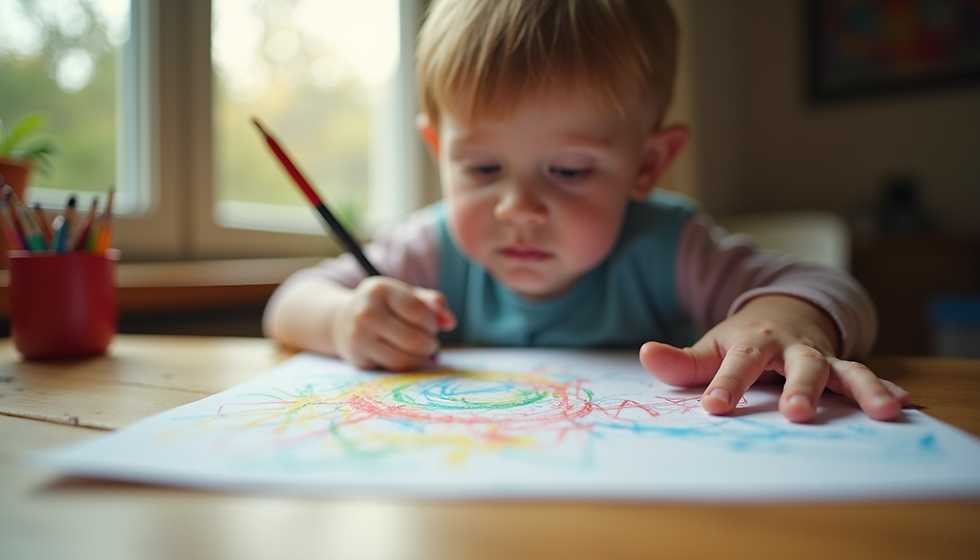
Example of a student’s creative drawing during the contest
Judging and Recognizing Participants
Create a Fair Judging Process
Decide who will judge the contest. Options include:
Teachers only
A panel including students and staff
Anonymous judging to avoid bias
Use clear criteria such as creativity, adherence to the theme, effort, and neatness. Share these criteria with students beforehand.
Celebrate All Participants
Recognize every student’s effort with certificates or small prizes. Highlight unique ideas or techniques to encourage diverse talents. Consider displaying the artworks in the classroom or school hallway to boost pride.
Printable Checklist for Running a Drawing Contest
Use this checklist to stay organized:
[ ] Define contest purpose and theme
[ ] Set rules and guidelines
[ ] Communicate rules to students and parents
[ ] Gather all necessary materials
[ ] Prepare the drawing space
[ ] Introduce contest and explain theme
[ ] Manage drawing time with reminders
[ ] Provide encouragement and support
[ ] Decide judging panel and criteria
[ ] Judge artworks fairly
[ ] Prepare certificates or prizes
[ ] Display artworks for recognition
Tips for Success
Keep it simple: Avoid complicated rules or themes that may confuse students.
Encourage originality: Celebrate unique ideas rather than technical perfection.
Be inclusive: Make sure all students feel welcome to participate regardless of skill level.
Use the contest as a learning opportunity: Discuss different art styles or famous artists related to the theme.
Follow up: Ask students to share what they enjoyed or learned from the contest to improve future events.


Comments