
Exploring How Art Influences Emotional Growth in Children
Art plays a crucial role in shaping children's emotional development. From early childhood, engaging with art offers more than just a creative outlet—it helps children understand and express their feelings, build empathy, and develop resilience. This post explores how art influences emotional growth in children, backed by examples and practical insights for parents, educators, and caregivers.

How Art Helps Children Understand Their Emotions
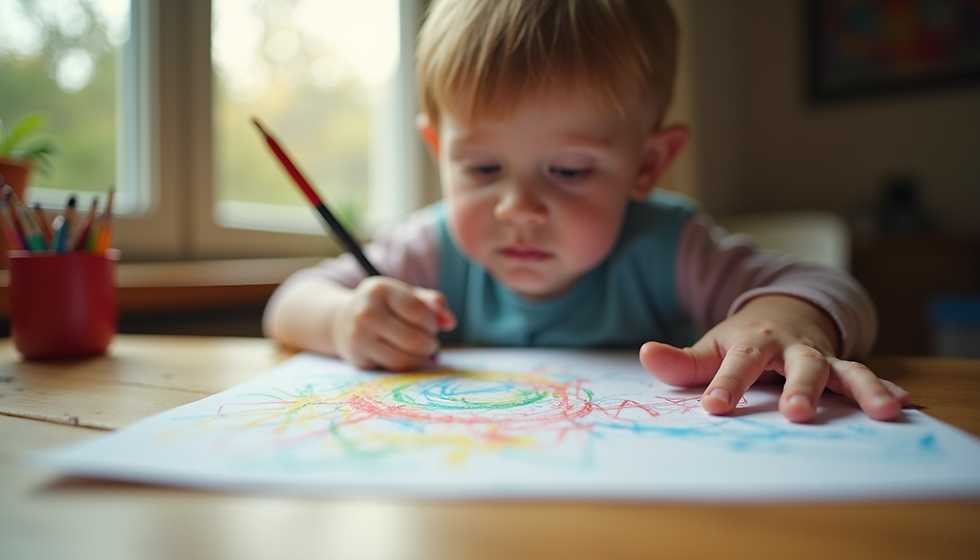
Children often struggle to put their feelings into words. Art provides a nonverbal way to explore emotions, making it easier for them to recognize and process what they feel. When children draw, paint, or sculpt, they externalize their inner world, which can reveal emotions they might not yet understand.
For example, a child feeling anxious might use dark colors or chaotic shapes in their drawing. A teacher or parent noticing this can gently discuss the artwork with the child, opening a conversation about their feelings. This process helps children identify emotions and learn to manage them.
Building Empathy Through Artistic Expression
Art encourages children to see the world from different perspectives. When children create stories, characters, or scenes in their artwork, they practice imagining others' feelings and experiences. This imaginative exercise builds empathy, a key emotional skill.
Group art projects also foster empathy by requiring children to collaborate, share ideas, and respect others' contributions. These social interactions teach children to listen and respond to others' emotions, strengthening their emotional intelligence.
Art as a Tool for Emotional Regulation
Engaging in art activities can calm children and reduce stress. The repetitive motions of drawing or molding clay provide a soothing effect, helping children regulate their emotions. This is especially helpful for children who experience strong feelings like anger or frustration.
For instance, a child upset after a conflict might find relief in painting or coloring. The act of focusing on art distracts them from negative feelings and allows them to regain control over their emotions. Over time, children learn to use art as a healthy coping mechanism.
Encouraging Self-Confidence and Emotional Resilience
Completing an art project gives children a sense of accomplishment. This boosts their self-confidence, which is closely tied to emotional well-being. When children see their ideas come to life, they feel valued and capable.
Moreover, art teaches children to embrace mistakes and try again. This process builds resilience, as children learn that setbacks are part of growth. They develop patience and persistence, important emotional skills that help them face challenges in other areas of life.
Practical Ways to Support Emotional Growth Through Art
Parents and educators can encourage emotional development by integrating art into daily routines. Here are some practical tips:
Provide a variety of art materials like crayons, paints, clay, and collage supplies to inspire creativity.
Create a safe space where children feel free to express themselves without judgment.
Ask open-ended questions about their artwork to encourage reflection on feelings and ideas.
Organize group art activities to promote social skills and empathy.
Use art to explore emotions during difficult times, such as changes or conflicts.
The Role of Art in Different Emotional Stages
Children's emotional needs evolve as they grow, and art can support these changes at every stage:
Toddlers use simple shapes and colors to explore basic feelings like joy or frustration.
Preschoolers begin to tell stories through their art, expressing more complex emotions.
School-age children use art to process social experiences and develop deeper self-awareness.
Adolescents often use art to explore identity and cope with intense emotions.
Tailoring art activities to the child's developmental stage maximizes emotional benefits.
Research Supporting Art's Impact on Emotional Development
Studies show that children who regularly engage in art activities demonstrate better emotional regulation and social skills. For example, research published in the Journal of Early Childhood Research found that art therapy helped children reduce anxiety and improve emotional expression.
Another study from the American Journal of Public Health highlighted that art programs in schools increased students' empathy and cooperation. These findings support the idea that art is not just a creative outlet but a vital part of emotional learning.
Encouraging Lifelong Emotional Skills Through Art
Introducing children to art early builds a foundation for emotional health that lasts into adulthood. Skills like self-expression, empathy, and resilience gained through art help individuals navigate relationships and challenges throughout life.
Parents and educators who prioritize art contribute to raising emotionally intelligent and well-rounded individuals. Encouraging children to explore their feelings through art equips them with tools to understand themselves and others better.
Art offers children a unique way to explore and grow emotionally. By supporting artistic expression, adults help children develop essential emotional skills that shape their well-being and relationships. Consider incorporating art into your child's routine to nurture their emotional growth and creativity.


Comments