
How Art Competitions Boost Child Development and Enhance Creativity
Art competitions offer more than just a chance to win prizes or gain recognition. For children, these events provide a unique platform to grow emotionally, socially, and intellectually. They encourage young minds to explore their creativity, build confidence, and develop skills that extend far beyond the canvas. This post explores how participating in art competitions supports child development and nurtures creativity in meaningful ways.

Encouraging Creative Expression
Children naturally express themselves through art, but art competitions push them to think more deeply about their ideas and how to communicate them visually. The challenge of creating a piece for a competition encourages children to:
Experiment with different materials and techniques
Develop original concepts rather than copying existing images
Reflect on their emotions and experiences to create meaningful work
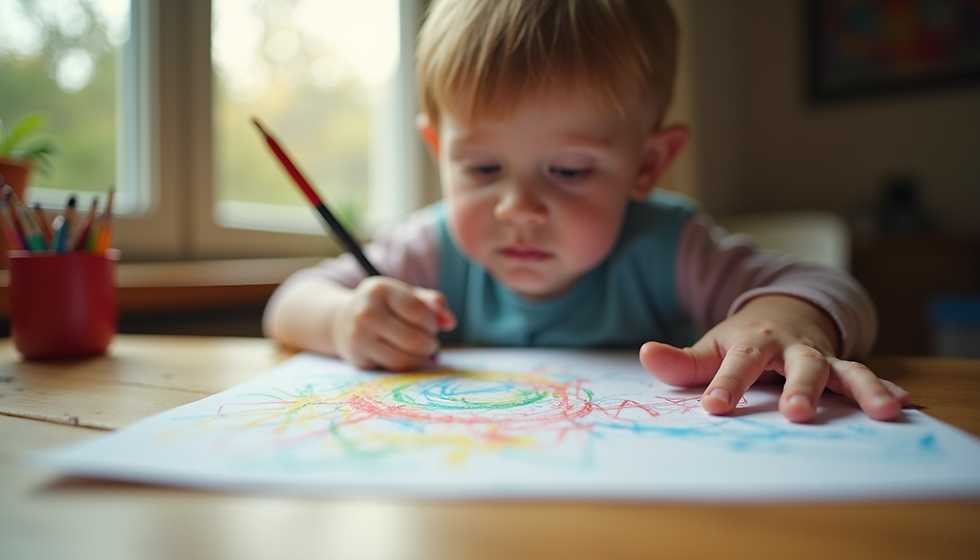
This process helps children move from simple doodling to intentional artistic expression. For example, a child might start with a basic drawing of a tree but then add details that tell a story or convey a feeling. This kind of creative thinking builds problem-solving skills and imagination.
Building Confidence and Self-Esteem
Art competitions provide children with a goal to work toward, which can boost motivation and focus. When children complete a piece and submit it, they experience a sense of accomplishment. Receiving feedback, whether from judges or peers, helps them understand their strengths and areas for growth.
Even if a child does not win a prize, participating teaches resilience and the value of effort. For instance, a young artist who enters a local competition may feel proud simply to have shared their work publicly. This pride can translate into greater confidence in other areas of life, such as school or social situations.
Enhancing Social Skills and Community Connection
Art competitions often bring children together in group settings, such as workshops or exhibitions. These environments encourage interaction and collaboration. Children learn to:
Share ideas and techniques with others
Appreciate different perspectives and styles
Support peers by attending exhibitions or giving positive feedback
Being part of a creative community helps children feel connected and valued. For example, a child who participates in a city-wide art contest might meet other young artists and form friendships based on shared interests. This social aspect can reduce feelings of isolation and promote teamwork.

Developing Critical Thinking and Focus
Creating art for a competition requires planning and decision-making. Children must consider:
How to use colors and shapes effectively
What message or theme to convey
How to manage their time to complete the piece before the deadline
These tasks strengthen critical thinking and organizational skills. For example, a child might sketch several drafts before choosing the best design to paint. This iterative process teaches patience and attention to detail, skills that benefit academic work and everyday problem-solving.
Supporting Emotional Development
Art allows children to express feelings they might not yet have words for. Competitions give them a safe space to explore emotions like joy, fear, or curiosity through their work. This emotional exploration can lead to better self-awareness and coping skills.
For example, a child dealing with anxiety might create a painting that represents calmness or safety. Sharing this artwork in a competition can open conversations with adults or peers about feelings and experiences. This kind of emotional support is crucial for healthy development.
Preparing for Future Opportunities
Participation in art competitions can open doors to scholarships, mentorships, and further education in the arts. It also builds a portfolio that children can use when applying to schools or programs focused on creative fields.
Moreover, the discipline and dedication required to prepare for competitions translate well into other areas of life. Children learn to set goals, work consistently, and accept constructive criticism. These habits support lifelong learning and personal growth.

Practical Tips for Parents and Educators
To maximize the benefits of art competitions, adults can:
Encourage children to choose competitions that match their interests and skill levels
Provide access to diverse art materials and resources
Discuss the creative process and celebrate effort, not just results
Attend exhibitions and events to show support
Help children reflect on feedback to improve future work
By fostering a positive and supportive environment, adults help children enjoy the experience and develop a lasting love for art.
Art competitions offer children valuable opportunities to grow creatively, emotionally, and socially. They challenge young artists to express themselves, build confidence, and connect with others. These experiences lay a foundation for skills that benefit many areas of life. Encouraging children to participate in art competitions can unlock their potential and inspire a lifelong journey of creativity.


Comments